Petiscos of Porto: A Local Food Guide for Travelers

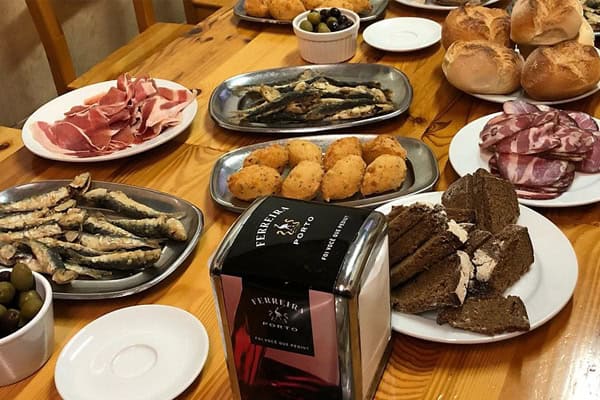
The petiscos of Porto are an essential part of the city’s gastronomy and one of the best ways for travelers to experience local culture. Similar to tapas, petiscos are small sharing dishes enjoyed in traditional taverns, local markets, and modern wine bars. For visitors looking for an authentic food experience in Porto, tasting petiscos is a must and often a highlight of a guided Porto food tour.

Many of the most popular traditional foods in Porto are served as petiscos. Codfish fritters (pataniscas de bacalhau), stewed gizzards (moelas), and liver strips (iscas) are classic dishes found in local tascas. Seafood lovers will also find delicious options such as sardines, octopus, and high-quality Portuguese canned fish, usually served with fresh bread and local olive oil.

Meat-based petiscos are equally important in Porto’s food scene. Favorites like pica-pau—tender beef cooked with garlic and wine—or the famous sandes de pernil showcase the rich flavors of northern Portuguese cuisine. These dishes are ideal for sharing and are often paired with local wine, beer, or even a glass of Port wine, making them perfect stops during a culinary walk through Porto.

Enjoying petiscos in Porto is about more than just eating; it’s about slowing down and connecting with local life. Whether on a guided Porto food tour or exploring independently, discovering petiscos allows travelers to eat like locals and experience the city through its flavors. From historic neighborhoods to lively markets, petiscos offer a genuine and memorable way to explore Porto’s gastronomy and culture.

Featured Post

Must try “Tripas à moda do Porto”

Tripas à Moda do Porto (Porto-style Tripe) is one of the most emblematic dishes of Portuguese cuisine, particularly from Porto. This dish dates back to the 15th century and is deeply connected to the history and identity of the people of Porto, who are known as “tripeiros” (tripe eaters) because of it.

According to legend, during the preparation for Prince Henry the Navigator’s maritime expeditions, the inhabitants of Porto gave all their fresh meat to the sailors, keeping only the offal for themselves. With creativity, they transformed the tripe into a delicious and hearty dish, which became a local tradition.

Tripas à Moda do Porto is more than just a dish; it represents the generosity and spirit of sacrifice of the people of Porto. Even today, it is a symbol of the city’s identity and pride, making it a must-try dish in many local restaurants.

If you ever visit Porto, be sure to experience this unique delicacy! 😊

Featured Post

Have you ever tried organic olive oil?

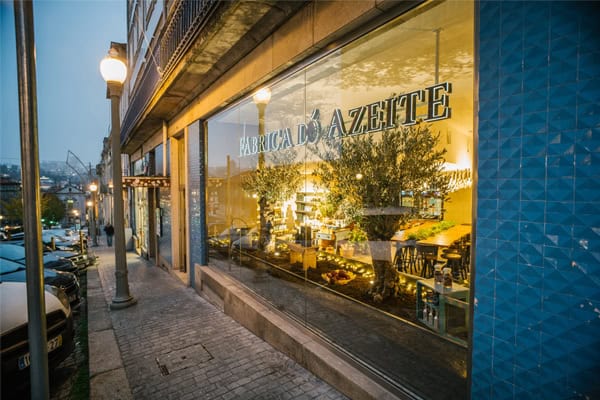
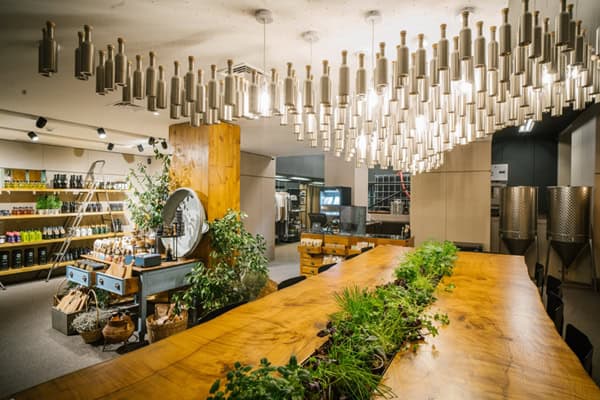
At 73 Rua Ferreira Borges in downtown Porto, you’ll find Fábrica do Azeite, which showcases organic olive oil from Trás-os-Montes and Alto Douro. The main attraction is a compact mill that allows visitors to see how olives are transformed into “green gold”. This immersive experience takes about an hour and provides insight into the fascinating world of olive growing.

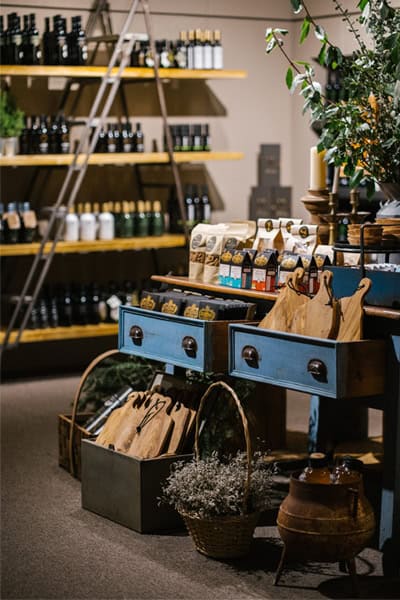
Fábrica do Azeite exclusively offers organic and certified products, aiming to highlight olive oil as a key crop in the region’s economy. In addition to olive oil, the shop also features regional delicacies from Trás-os-Montes and Alto Douro, including cheeses, sausages, honey, dried fruit, jams, and wines.

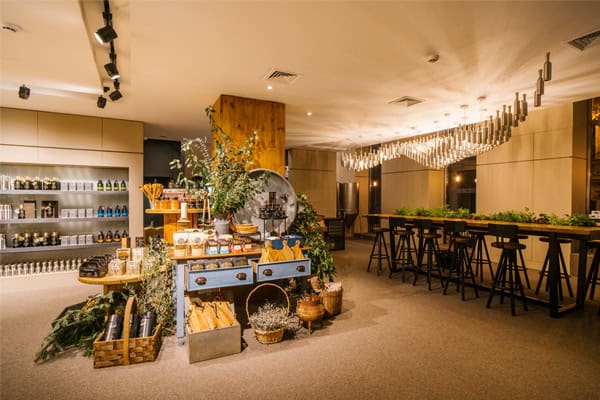
At Fábrica do Azeite, “Acushla” olive oil takes center stage. The store offers a wide range of unique flavors, mainly from Trás-os-Montes and the Douro, along with other regions in the country. Visitors can sample and purchase these high-quality products.

In the heart of the store, there’s a communal wooden table that can accommodate up to fourteen guests. Here, visitors can enjoy tastings of our olive oils paired with delicious organic bread. The staff also prepares freshly made delicacies, providing each visitor with an outstanding and personalized experience.

Additionally, Fábrica do Azeite offers a sustainable line of clothing made from 100% organic cotton. The clothing is produced using natural techniques, including dyes made from food waste and activewear produced from by-products such as onion skins or olive pomace. This results in the “Barrio Santo” brand, which offers comfortable leisurewear and activewear free of synthetic compounds and chemicals.

(All photos courtesy of Fábrica do Azeite)

If you want to have this amazing experience combined with our tour, please click here.

Featured Post

Do you know what Porto’s secret sweet is?

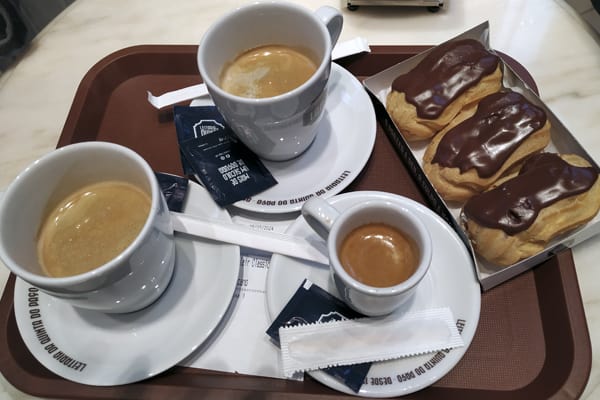
One of the best desserts in town is the éclair 🙂

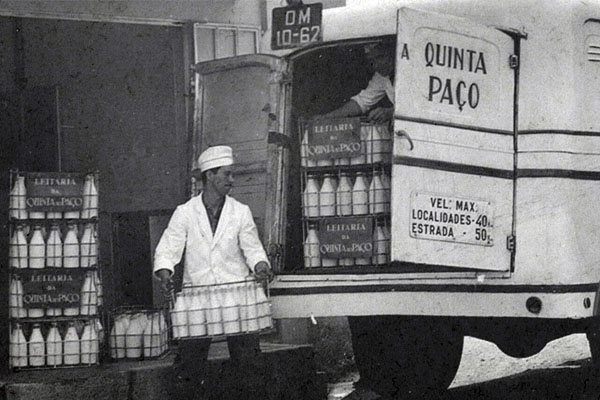
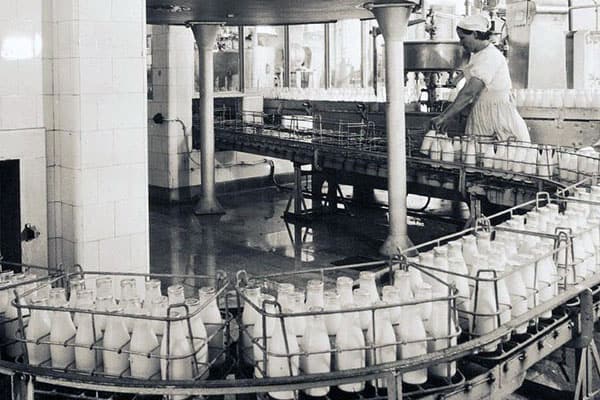
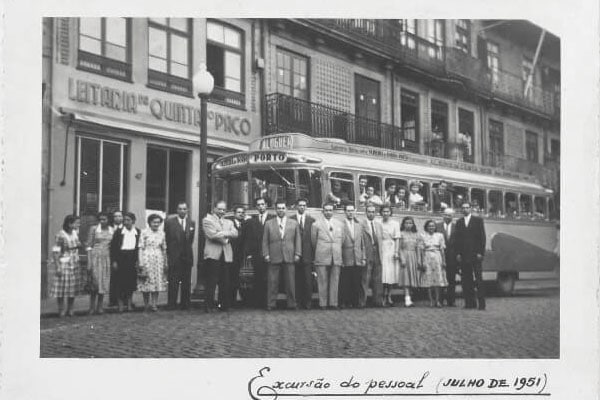
Leitaria da Quinta do Paço has a rich history that combines tradition and innovation. The tradition dates back over 100 years when the company started producing milk and its byproducts such as butter, cheese, and whipped cream.

Initially, it was the first milk distributor in the northern region of Portugal from its factory in Paços de Ferreira. It was also the pioneer in pasteurizing milk and distributing it in glass bottles to vendors in Porto. At that time, milk was sold to end consumers by women who carried it in jugs on their heads.

Over the years, Leitaria da Quinta do Paço has won numerous awards for the excellent quality of its milk products. However, as the company’s owners grew older, it faced stiff competition and lost its competitive edge. Consequently, the company was on the verge of shutting down, like many other traditional businesses.

However, in 2012, Leitaria da Quinta do Paço changed ownership and was restructured while keeping its original recipes.

If you are in Porto’s historic city center, you can find the store near the Lello bookstore on Praça Guilherme Gomes Fernandes or close to the Bolhão Market.

One of our tours includes a visit to the store and a tasting of this delicious sweet! For more information, please click here.

(All the black and white photos were taken from the official website of Leitaria da Quinta do Paço)

Quinta do Paço
Featured Post

Porto and the Port Wine

Some say port was invented by British merchants looking to replace French claret, wich was boycotted during wars with France in the 17th century. By adding a little brandy to the local red Douro, they found the wine sufficiently fortified to withstand temperature changes and long sea voyages. It also produced a fresh sweet flavour that deepened with age.

Whoever invented it, port was a big hit with the British and became “as British as roast beef”.

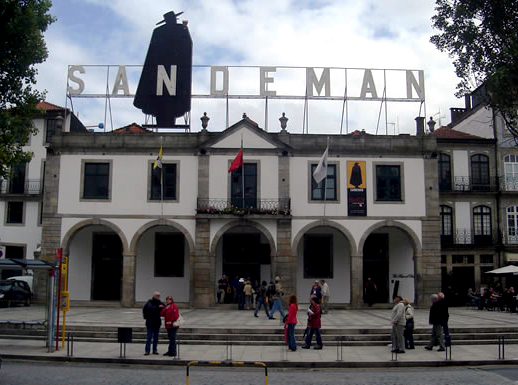
The Meathuen Treaty of 1703 opened English markets to Portuguese wines and the British shippers of Porto became increasingly rich and powerful. The next 30 years saw an unprecedented expansion of trade in the Upper Douro and in 1727 a Shippers’ Association was established to regulate the trade and control prices paid to the Portuguese producers. The growth of trade gave rise to the famous port wine lodges spread over the hills of Vila Nova de Gaia.

To combat the English stranglehold, the King of Portugal’s Chief Minister, Sebastião José de Carvalho e Mello, later the Marquês de Pombal, founded the Douro Wine Company (Companhia Geral da Agricultura das Vinhas do Alto Douro) in 1757 witch restored a measure of Portuguese control. 

The Douro Valley became the world´s first wine region with legal demarcation and Porto and its region a main engine room of Portuguese expansion and commerce.

Featured Post

The city’s delicious sandwich

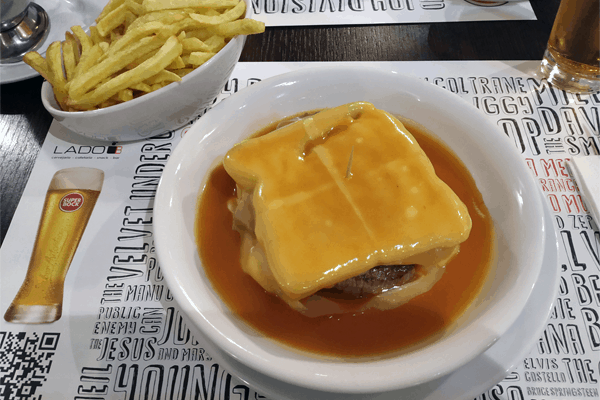
The Francesinha – One of the most famous sandwiches in the world!

One of the stories or legends, dates back to the period of the Peninsular Wars, supposedly the soldiers of Napoleon’s army used to make a bread sandwich where they put the most varied kinds of meat available and a lot of cheese, but without including the sauce, an essential complement introduced later by the “tripeiros” (citizens of Porto).

Today there is some unanimity in attributing the creation of the recipe to Daniel Silva, an employee of the restaurant A Regaleira, in the early 50’s. An immigrant in France and Belgium, some years earlier, in the restaurant business, he became familiar with the local gastronomy and in particular with the famous French sandwich “croque-monsieur”, very popular in these lands. This famous sandwich served as inspiration for the creation of our francesinha, whose name comes from “france”.

Here is a selection (possible), of the best restaurants in invicta and surroundings, to taste the “famous” sandwich:

  • A Regaleira, rua do Bonjardim 83 (ainda existe!)
  • LADO B Café (Coliseu) – rua de Passos Manuel, 190
  • Brasão – rua de Ramalho Ortigão, 28
  • Café Santiago – rua de Passos Manuel, 226
  • Bufete FASE – rua Santa Catarina, 1147
  • Restaurante CUFRA – Avenida da Boavista, 2504. (ou Edifício Transparente)
  • AR de RIO (Cais de Gaia) – Av. de Diogo Leite, 5. Vila Nova de Gaia
  • Restaurante My Palace – Avenida da Boavista, 4191
  • Capa Negra II – Rua do Campo Alegre, 191
Featured Post
BOOK NOW BOOK NOW