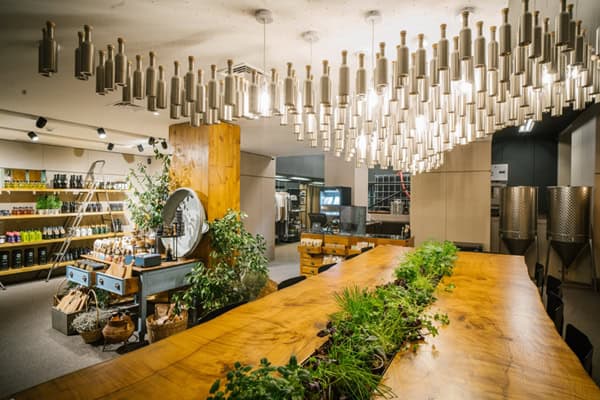
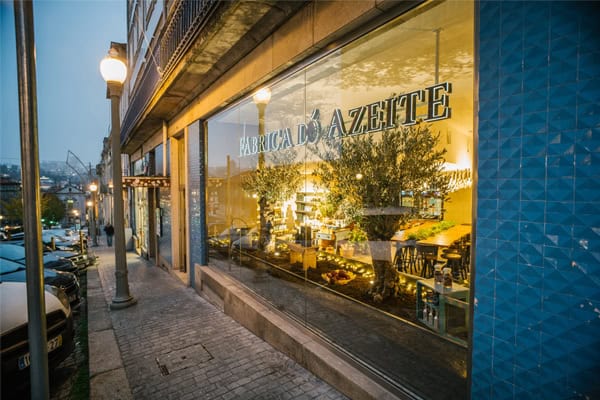
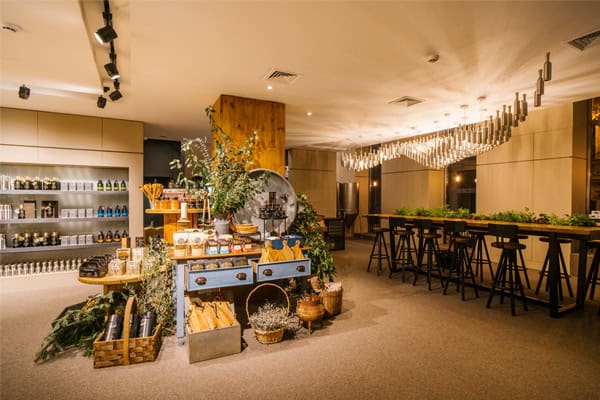
At 73 Rua Ferreira Borges in downtown Porto, you’ll find Fábrica do Azeite, which showcases organic olive oil from Trás-os-Montes and Alto Douro. The main attraction is a compact mill that allows visitors to see how olives are transformed into “green gold”. This immersive experience takes about an hour and provides insight into the fascinating world of olive growing.
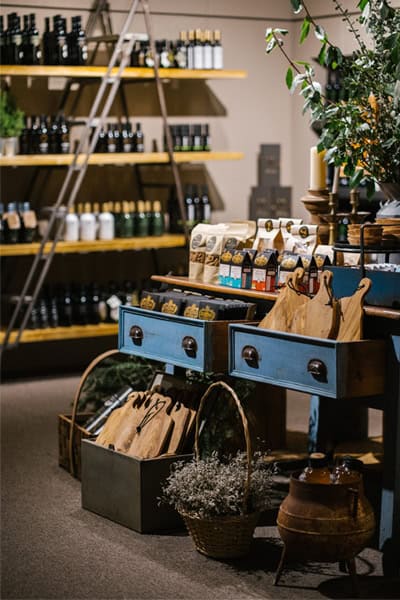
Fábrica do Azeite exclusively offers organic and certified products, aiming to highlight olive oil as a key crop in the region’s economy. In addition to olive oil, the shop also features regional delicacies from Trás-os-Montes and Alto Douro, including cheeses, sausages, honey, dried fruit, jams, and wines.
At Fábrica do Azeite, “Acushla” olive oil takes center stage. The store offers a wide range of unique flavors, mainly from Trás-os-Montes and the Douro, along with other regions in the country. Visitors can sample and purchase these high-quality products.
In the heart of the store, there’s a communal wooden table that can accommodate up to fourteen guests. Here, visitors can enjoy tastings of our olive oils paired with delicious organic bread. The staff also prepares freshly made delicacies, providing each visitor with an outstanding and personalized experience.
Additionally, Fábrica do Azeite offers a sustainable line of clothing made from 100% organic cotton. The clothing is produced using natural techniques, including dyes made from food waste and activewear produced from by-products such as onion skins or olive pomace. This results in the “Barrio Santo” brand, which offers comfortable leisurewear and activewear free of synthetic compounds and chemicals.
(All photos courtesy of Fábrica do Azeite)
If you want to have this amazing experience combined with our tour, please click here.